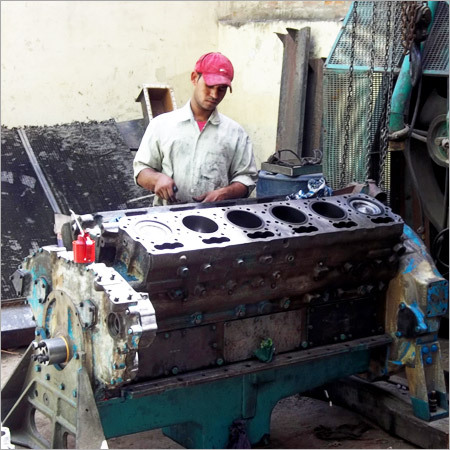
The alternator is the part of the generator that converts mechanical energy (from the engine) into electrical energy through electromagnetic induction. In heavy-duty generators, this component is robust but still subject to wear, fault, and environmental stress.
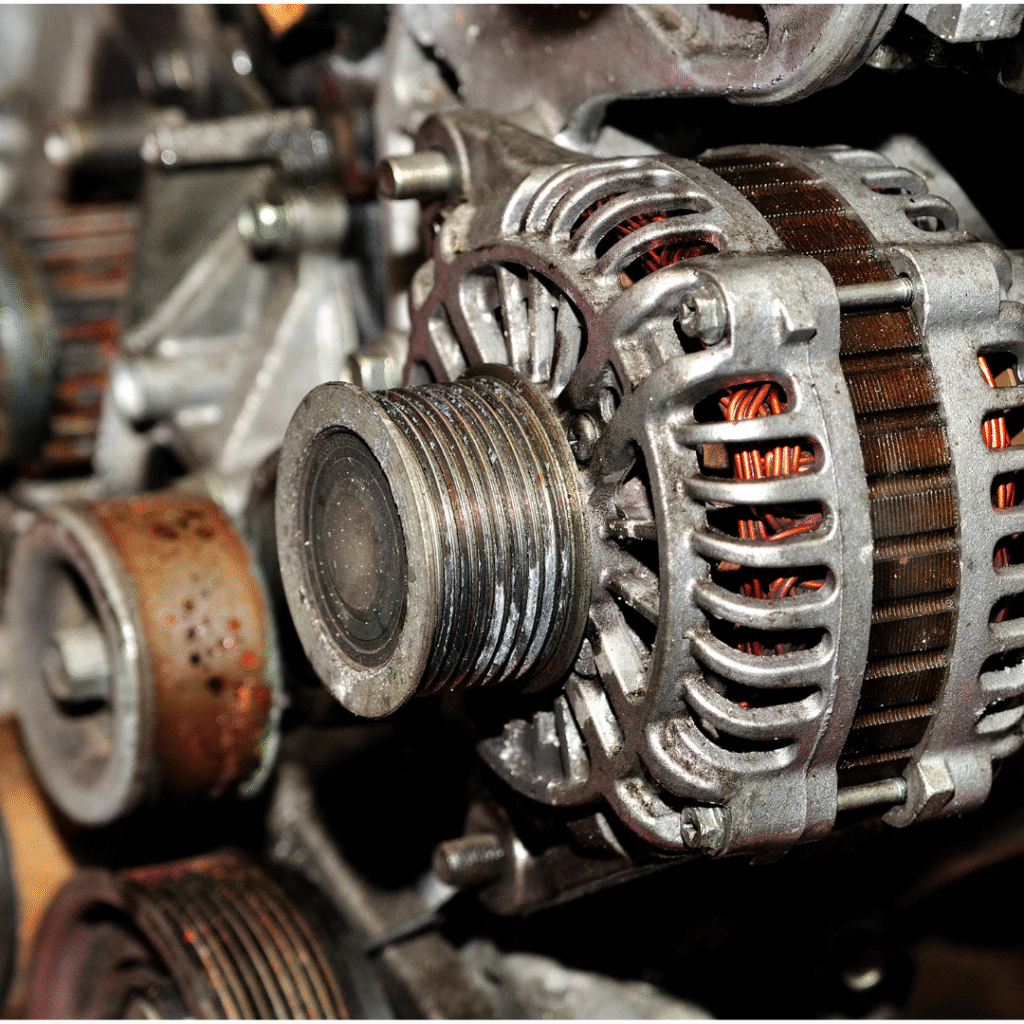
7 Reasons Why Your Alternator Isn’t Producing Power
If internal fuses or external breakers are tripped, your alternator may be fine, but no power gets delivered. Always check these first before diving deeper.
The AVR controls the voltage output. A damaged AVR can lead to unstable or zero voltage output.
Brushes carry current from the exciter to the rotor. If they are worn or the slip rings are dirty or damaged, it interrupts the magnetic field, stopping power generation.
A break in the rotor or stator winding, or a short circuit, will prevent proper current flow and power generation.
These convert AC to DC for the rotor field. Burnt-out diodes result in no magnetic field, hence no output.
The exciter provides the field current to the rotor. If it fails, the rotor can’t build a magnetic field — no magnetism, no voltage.
Heat and moisture degrade insulation over time. Once it breaks down, it causes leakage or internal shorts.
How to Diagnose a Faulty Alternator
If your generator starts but produces no power, here’s what you should do:
Can I Do It Myself: While simple issues like a tripped breaker or loose wire can be fixed on-site, major alternator faults require expert hands and specialised diagnostic tools.
Attempting a DIY repair without expertise can:
Why Choose Sparrow Technical Services Limited?
When it comes to generator alternator repairs, maintenance, rewinding, and diagnostics, Sparrow Technical Services Limited stands out as a trusted expert in the field. What We Offer:
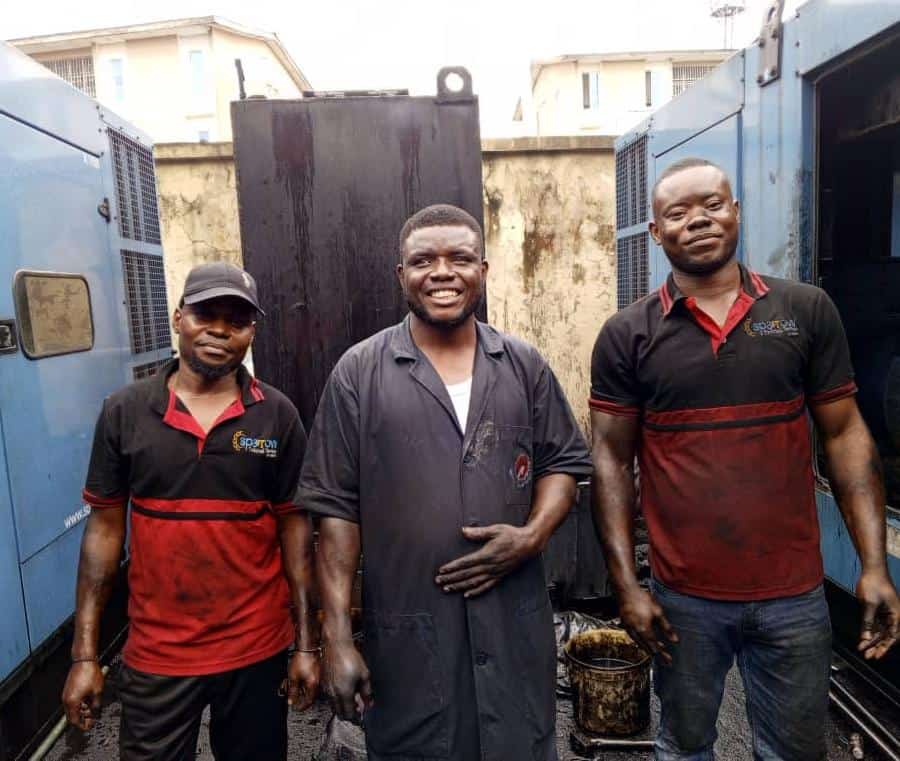
We’ve worked with industries, estates, religious institutions, and construction firms across Nigeria, keeping their power systems running efficiently.
📲 WhatsApp: +234 916 000 1605
🌐 Email: sparrowtechnical3@gmail.com